

Common Electrical Problems Homeowners Should Never Ignore
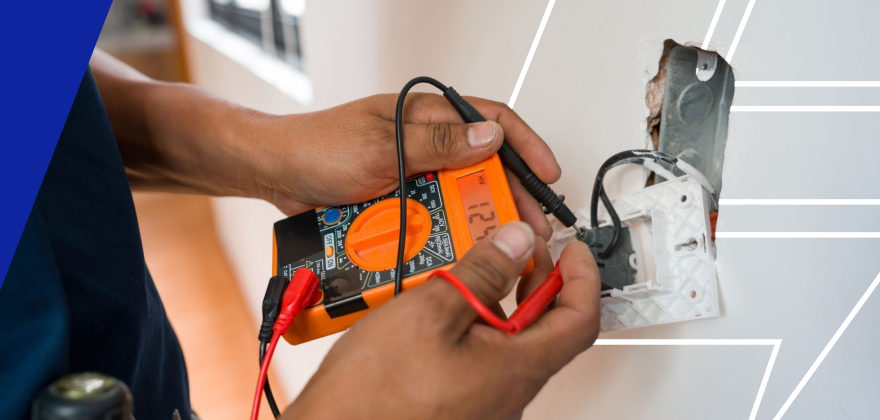
Your home’s electrical system powers everything from lighting to appliances, but it also presents serious safety risks when problems develop. Electrical issues cause thousands of house fires each year, causing over a billion dollars in damage. Many of these fires start from warning signs homeowners and renters overlook or dismiss as minor inconveniences.
Flickering lights, unusual smells, warm outlets and buzzing sounds can indicate dangerous conditions developing behind your walls. Left unaddressed, these problems escalate into expensive repairs and emergencies. Early recognition of warning signs allows you to address issues before they become hazardous. Once you understand common problems and their implications, you can take prompt action to protect your home.
1. Flickering or Dimming Lights
Common causes of flickering lights when you use appliances include loose connections, overloaded circuits and problems with your main electrical panel.
If the lights dim when you run your dishwasher or air conditioner, the circuit may be handling more amperage than designed. Loose wire connections generate heat and increase resistance, which causes lights to flicker inconsistently. A qualified electrician can determine whether you need circuit upgrades, panel replacement or connection repairs to resolve the problem.
If flickering occurs frequently throughout your home, schedule a professional inspection rather than waiting for the problem to worsen.
2. Electrical Burning Smell From Outlets or Switches
A burning odor near outlets, switches or your electrical panel signals overheating wires or components. Overheating occurs when connections deteriorate, circuits carry excessive loads, or outdated wiring breaks down from age and use.
When electrical components overheat, they damage surrounding insulation and create conditions that lead to electrical fires. If you detect a burning smell, turn off power to the affected area at your breaker panel and contact an emergency electrician to inspect the system.
3. Sparking Outlets
Visible sparks when you plug in appliances or flip switches reveal dangerous arcing conditions. While a small, brief blue spark when plugging in an appliance is normal, repeated arcing or large sparks signal serious problems.
Electrical arcing occurs when current jumps across gaps in deteriorated connections or damaged components. Arcing generates intense heat that can ignite surrounding materials. Contact an electrician for prompt repair if you observe sparking.
Ground fault circuit interrupter (GFCI) outlets detect current imbalances that occur when electricity takes an unintended path, such as through water or a person. These specialized outlets shut off power in milliseconds when they detect a ground fault, helping prevent severe shocks and electrocution.
Building codes require GFCI outlets in kitchens, bathrooms, garages and outdoor locations where water contact is likely. Installing GFCI protection throughout your home adds critical safety layers for your family.
4. Warm or Hot Outlets

Outlets that feel warm to the touch indicate excessive heat buildup from poor connections, damaged wiring or circuits operating beyond their capacity. While some warmth is normal when charging devices or running appliances, outlets should never feel hot.
Heat damage to outlets and wiring creates serious hazards. When you notice warm outlets, unplug all devices and call an emergency electrician right away. Continuing to use overheated outlets risks electrical fires and equipment damage.
Modern homes require outlets that meet current safety standards and can handle today’s electrical demands. Older outlet types lack the protective features that prevent shocks, fires and equipment damage. Upgrading outdated outlets improves safety and protects your valuable electronics from power surges.
Older homes often have two-prong outlets that lack proper grounding. Without grounding, these outlets leave you vulnerable to electrical shocks and prevent surge protectors from functioning correctly.
Modern three-prong outlets include a ground wire that safely redirects excess electricity to ground during power surges or equipment malfunctions. The ground wire provides a safe path for electrical current, protecting people and electronics. Upgrading to grounded outlets with GFCI protection enhances safety throughout your home.
5. Frequently Tripping Circuit Breakers
When circuit breakers trip repeatedly, your electrical system is signaling an overload or fault condition. Breakers trip to protect your home when circuits carry more current than they’re rated for.
If you reset a breaker and it trips again immediately, the circuit has a short circuit or ground fault that requires professional diagnosis. A single breaker that trips when you use a specific appliance suggests that the device draws too much power for that circuit.
Random breaker trips or simultaneous tripping of multiple breakers indicate more serious electrical system problems. Licensed electricians use specialized equipment to identify whether you need additional circuits, electrical panel upgrades or repairs to faulty wiring.
6. Outdated or Damaged Wiring
The median age of a U.S. home is 40 years old. Homes older than this may contain wiring systems that cannot safely support modern electrical demands. Older wiring types, such as aluminum wiring and knob-and-tube systems, deteriorate with age and pose substantial hazards. Knob-and-tube wiring also creates difficulties with home insurance, as providers may refuse to cover homes with this wiring due to the fire risk.
Visible signs of wiring problems include discolored outlets, burning smells, frequent breaker trips and flickering lights throughout the house. These symptoms indicate your wiring requires professional evaluation and potential replacement.
Aluminum Wiring Risks
Homes built between 1965 and 1975 commonly used aluminum wiring as a cost-effective alternative to copper. Over time, aluminum wire connections oxidize and loosen, which creates high-resistance points that generate dangerous heat.
The heat aluminum wire generates poses a greater risk of reaching fire-hazard levels at electrical connections. If your home has aluminum wiring, schedule an inspection to determine whether repairs or replacement are needed to ensure safe operation.
Upgrading Electrical Panels
Modern electrical panels distribute power efficiently and include safety features such as arc-fault circuit interrupters (AFCIs) that detect dangerous arcing conditions. AFCIs monitor electrical flow and shut off circuits when they detect the specific patterns that indicate arcing, which can stop potential fires before they start. If your home still uses a fuse box or an outdated panel with insufficient capacity, upgrading to a modern panel provides better protection.
Licensed electricians can retrofit your home with modern panels that meet current electrical codes and accommodate contemporary appliances and electronics. Panel upgrades protect your investment and provide peace of mind.
7. Buzzing Sounds From Outlets or Switches
Electrical current should flow silently through your home’s wiring. When you hear buzzing, humming or crackling sounds from outlets, switches or fixtures, loose connections or faulty components are likely causing abnormal resistance.
These sounds indicate electricity is arcing or flowing through damaged pathways. Buzzing electrical components often precede failures that lead to fires, so schedule an electrical inspection as soon as you notice unusual sounds.
Professional Electrical Services Protect Your Home

Electrical problems at home require immediate professional attention to prevent property damage and ensure your family’s safety. Attempting DIY electrical repairs without proper training and licensing creates additional hazards and may violate local building codes.
For over 40 years, Lippolis Electric, Inc. has provided comprehensive electrical repair services throughout Westchester County, NY. Our family-owned and -operated company delivers expert diagnostics, code-compliant repairs and system upgrades that protect your most valuable investment.
Contact our licensed electricians today to schedule an inspection and resolve electrical problems before they become emergencies. If you are in an urgent situation, we also offer emergency electrical repairs.
Schedule service
Please note that your appointment is not set until confirmed by Lippolis Electric shortly after you've submitted the form.
| ‹ | › | |||||
| Sun | Mon | Tue | Wed | Thu | Fri | Sat |